 Chiye Fan
Top 10 High Pressure Centrifugal Fans for Your Business Needs?
In the competitive world of industrial ventilation, choosing the right equipment is crucial. High Pressure Centrifugal Fans play a vital role in numerous applications, effectively managing air flow in challenging environments. As industry expert Dr. Emily Carter states, "Selecting the right High Pressure Centrifugal Fan can be the difference between success and failure in your operations." This statement highlights the importance of understanding which fan best suits your specific needs.
High Pressure Centrifugal Fans are not just about moving air; they also need to withstand high pressure conditions. Factors such as efficiency, durability, and noise levels must be considered. A fan that performs well today may not meet your demands tomorrow if it is not adequately evaluated.
Choosing the right model requires careful thought and analysis. Each application's requirements can vary dramatically. Not every fan listed as a top choice will work for every situation. It is essential to match specifications to operational conditions. Thus, this guide presents a selection of top high pressure centrifugal fans, addressing diverse business needs while considering efficiency and reliability.
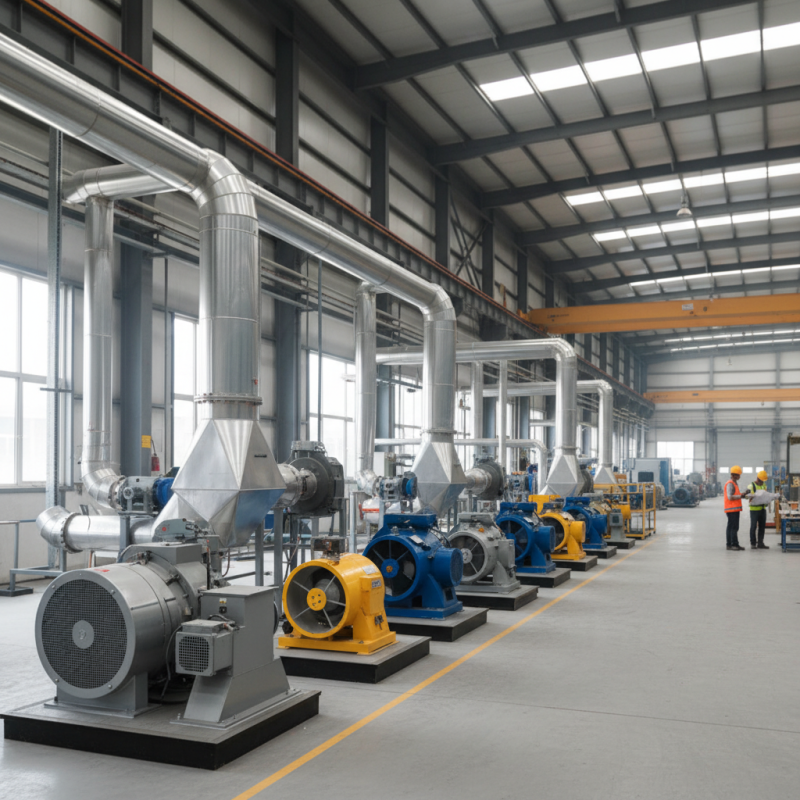
Top 10 High Pressure Centrifugal Fans: Overview of Key Features
When selecting the right high pressure centrifugal fan for your business, understanding key features is essential. High pressure fans are vital in industrial applications, delivering airflow against high resistance. They typically operate in environments requiring efficient air movement, such as dust collection, material handling, and pneumatic conveying.
A crucial feature to consider is the fan’s efficiency. According to industry reports, high-quality fans can achieve efficiencies of 70% to 85%. This not only saves energy but also reduces operational costs. Look for fans with adjustable speed settings. This allows for precise control over airflow, accommodating varying operational needs. Moreover, material quality matters. Fans made with corrosion-resistant materials can endure harsh conditions, ensuring longevity.
Tips: Regular maintenance is vital. Routine checks on the motor and bearings can prevent costly breakdowns. Pay attention to vibration levels, as excessive vibration can indicate imbalance or wear. Also, consider the noise levels. Some fans operate quietly, while others may generate significant noise. Assess your facility’s standards before making a decision.
Ultimately, the right high pressure centrifugal fan can significantly boost operational effectiveness. However, business needs vary, and reflecting on specific applications is necessary for an informed choice. Prioritize expert consultations and consider multiple options to find the best fit for your requirements.
Top 10 High Pressure Centrifugal Fans
| Model | Airflow (CFM) | Static Pressure (in WC) | Motor Power (HP) | RPM | Weight (lbs) |
|---|---|---|---|---|---|
| Model A | 1500 | 4.5 | 15 | 1750 | 80 |
| Model B | 2000 | 5.0 | 20 | 1800 | 90 |
| Model C | 1800 | 5.5 | 25 | 1750 | 85 |
| Model D | 1600 | 4.8 | 22 | 1700 | 70 |
| Model E | 1700 | 4.2 | 18 | 1650 | 75 |
| Model F | 2100 | 5.2 | 30 | 1900 | 95 |
| Model G | 2400 | 6.0 | 40 | 2000 | 100 |
| Model H | 2300 | 5.8 | 35 | 1950 | 98 |
| Model I | 2200 | 5.6 | 32 | 1920 | 97 |
| Model J | 2500 | 6.5 | 45 | 2050 | 105 |
FAQS
: Efficiency ratings indicate how effectively a fan converts power into airflow. They help businesses make better choices.
It’s measured using a performance curve. This curve shows airflow variations with different pressures for optimal performance.
A clear performance curve helps find operating points where energy use is minimal. It ensures cost efficiency and reliability.
Not always. Some high-powered fans can be noisy. Noise levels should be considered when selecting a fan.
Regular maintenance increases longevity and reliability. It often gets overlooked but is essential for optimal performance.
Industries like chemical processing, power generation, and wastewater treatment use these fans for efficient air movement against resistance.
Improper selection can lead to higher maintenance costs and increased downtime. Many underestimate this risk.
They are crucial for supplying combustion air, which ensures efficient fuel burning and energy production.
Implementing monitoring practices can track performance and identify declines due to wear or dirt accumulation.
Many companies neglect regular monitoring and upkeep, risking performance decline and increased costs over time.
Conclusion
The article "Top 10 High Pressure Centrifugal Fans for Your Business Needs" provides an insightful overview of essential features to consider when selecting high pressure centrifugal fans for commercial applications. It explores the efficiency ratings of these fans, emphasizing the importance of performance metrics to ensure optimal operation. A comparative analysis highlights the airflow and pressure outputs of leading models, aiding businesses in making informed choices tailored to their specific requirements.
Additionally, the article discusses various industry applications where high pressure centrifugal fans excel, showcasing their versatility across different sectors. To ensure the longevity and reliability of these fans, it also outlines best maintenance practices, highlighting common procedures to keep them operating efficiently. This comprehensive guide serves as a valuable resource for businesses looking to enhance their ventilation systems with high pressure centrifugal fans.
