In the realm of industrial ventilation, axial flow fans have emerged as pivotal components. Renowned expert Dr. Emily Carter, a leading authority in mechanical engineering, emphasizes their significance. She states, "Axial Flow Fans enhance efficiency and lower operational costs significantly." Understanding the multitude of benefits these fans offer is crucial for modern industries.
Axial flow fans are widely recognized for their effectiveness in various applications. They improve air circulation, crucial for workplace safety and equipment longevity. The design of these fans allows for high airflow rates with relatively low energy consumption. Many industries depend on their performance to maintain optimal conditions. However, it’s essential to reflect on the need for proper maintenance and installation to unlock their full potential.
The effectiveness of an axial flow fan isn't solely about performance; it also involves choosing the right fan for specific needs. Industries often face challenges in optimizing ventilation. It’s a complex task that requires understanding the unique requirements of each environment. The benefits of axial flow fans can transform industrial operations, but they must be implemented thoughtfully.
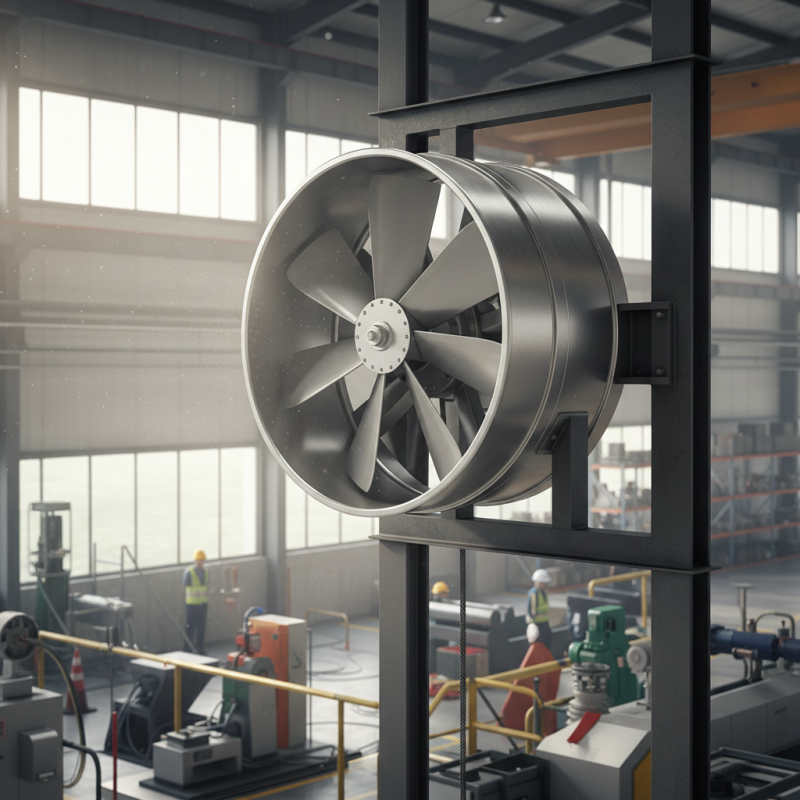
Benefits of Axial Flow Fans in Enhancing Industrial Airflow Efficiency
Axial flow fans play a crucial role in enhancing industrial airflow efficiency. These fans are designed to move air parallel to the axis of the fan, making them ideal for applications requiring high airflow and low pressure. According to industry studies, axial flow fans can improve overall system efficiency by 20% in certain scenarios. Their unique design enables them to handle large volumes of air while consuming less energy. This efficiency is vital for companies aiming to reduce operational costs and environmental impact.
A critical factor in fan performance is the selection of the right size and type for specific applications. Improperly sized fans can lead to airflow issues and increased energy consumption. It’s essential to regularly assess the fan's performance. Monitoring airflow rates and energy use can uncover inefficiencies that need addressing.
Tip: Ensure that your axial flow fans are clean and well-maintained. Dust buildup can hinder airflow and reduce efficiency.
Additionally, axial flow fans offer flexibility in installation. They can fit into tight spaces, making them suitable for various industrial environments. However, this flexibility can lead to suboptimal airflow if not strategically placed. Always evaluate the arrangement of fans within the system for the best results.
Tip: Conduct regular airflow assessments to optimize fan placement and performance.
Impact of Axial Flow Fans on Reducing Energy Consumption in Manufacturing
Axial flow fans have become increasingly important in industrial applications, particularly for energy efficiency. These fans move air parallel to the axis of the fan, promoting better airflow across large spaces. This characteristic plays a key role in reducing energy consumption during manufacturing processes. By providing consistent and efficient airflow, axial flow fans can help maintain optimal temperatures in production areas, greatly affecting energy costs.
The impact on energy consumption is significant. These fans require less power than traditional ventilation systems, leading to lower operational expenses. For instance, when properly selected and installed, they can reduce energy usage by up to 30%. This reduction not only benefits the bottom line but also supports sustainability efforts. However, improper sizing or placement can lead to inefficiencies. Regular maintenance is also vital to ensure that fans operate at peak performance levels.
Implementing axial flow fans requires careful planning. Factors like airflow needs and compatibility with existing systems must be considered. While they offer numerous advantages, a thorough assessment is essential to avoid potential downsides. Energy audits can provide valuable insights and help identify areas for improvement, ensuring that businesses can fully realize the benefits of axial flow fans in their operations.
Role of Axial Flow Fans in Improving Indoor Air Quality for Workers
Axial flow fans play a significant role in enhancing indoor air quality in industrial settings. These fans move air parallel to the axis of rotation, efficiently circulating fresh air throughout large spaces. This circulation reduces stagnant air, promoting a healthier work environment for employees. Improved air quality effectively lowers the risk of respiratory issues and enhances overall productivity.
Tips for enhancing air quality include regular maintenance of axial flow fans. Clogged filters can hinder performance. Keeping fans clean ensures optimal airflow, vital for comfort. Workers feel more energized in well-ventilated areas, leading to better morale and efficiency.
Another consideration is the fan's placement. Positioning fans strategically can maximize their effectiveness. Place them near workstations or high-traffic areas for improved air distribution. However, focusing solely on fan placement can lead to neglecting other air quality factors, such as humidity and temperature control. Balancing all aspects is crucial for creating a safe, productive workspace.
Top 10 Benefits of Axial Flow Fans for Industrial Use
This chart represents the top 10 benefits of using axial flow fans in industrial settings. Each benefit is rated on a scale of 1 to 10, reflecting their importance in enhancing indoor air quality and overall worker satisfaction.
Maximizing Cooling Capabilities with Axial Flow Fans in Industrial Settings
Axial flow fans are essential for enhancing cooling capabilities in industrial settings. These fans efficiently move large volumes of air at low pressure, ideal for maintaining optimal temperature levels. A recent industry report highlights that proper airflow can reduce energy costs by up to 30%, making axial fans a smart choice for industrial operations.
The design of axial flow fans allows them to be versatile. They can be installed in various configurations, ensuring effective cooling in tight spaces. For example, an axial fan can be fitted with accessories to control noise levels and airflow direction. This adaptability contributes to a more comfortable working environment.
Tip: Regular maintenance is crucial. Inspect fan blades and housings to prevent dust buildup. A clean fan operates more efficiently and lasts longer.
Responding to specific cooling needs can pose challenges. Not all environments require the same airflow patterns. Considerations include temperature fluctuations and humidity levels, which affect performance. Hence, tailoring fan selection based on unique operational conditions is vital for achieving desired results.
Tip: Utilize airflow measurement tools to assess effectiveness. Accurate data can inform better decisions regarding fan placement and speed settings.
Cost-Effectiveness of Axial Flow Fans Compared to Other Ventilation Systems
Axial flow fans are a popular choice for industrial use, primarily due to their cost-effectiveness. These fans provide high airflow rates while consuming less energy compared to traditional ventilation systems. In environments where continuous ventilation is crucial, axial flow fans help reduce energy costs significantly. Their simple design allows for easy installation and maintenance, further lowering operational costs.
Moreover, the efficiency of axial flow fans can lead to reduced wear and tear on the system. This longevity translates into fewer replacements, which can be a significant expense in industrial settings. However, not every situation warrants an axial flow fan. Spaces with unique ventilation needs may require different systems. This variability can sometimes lead to miscalculations in initial assessments.
Industrial users should proceed with care. It is essential to balance upfront costs with long-term benefits when selecting ventilation systems. While axial flow fans are often cheaper in ongoing energy costs, specific conditions might necessitate different solutions. Conducting thorough evaluations ensures that the chosen system effectively meets the facility's needs.
FAQS
: Axial flow fans move air parallel to the fan axis, enhancing airflow efficiency in industrial applications.
They can improve overall system efficiency by up to 20% in certain situations.
Improperly sized fans can lead to airflow issues and higher energy consumption.
Monitoring airflow rates can reveal inefficiencies that need attention and improvement.
Keep fans clean and well-maintained. Dust buildup can reduce airflow and efficiency.
Yes, they offer flexibility for installation in various industrial environments and configurations.
Evaluate fan arrangement to avoid suboptimal airflow and ensure optimal performance.
Proper airflow management can reduce energy costs by up to 30% and maintain optimal temperature.
Temperature fluctuations and humidity levels can affect airflow patterns and overall effectiveness.
Tailoring fan selection based on specific cooling needs can enhance comfort and operational outcomes.
Conclusion
Axial flow fans are essential components in enhancing industrial airflow efficiency by providing effective ventilation in various manufacturing environments. These fans significantly reduce energy consumption, allowing facilities to operate more sustainably while lowering operational costs. Their design enables them to maximize cooling capabilities, ensuring that machinery and workspaces remain at optimal temperatures, which is crucial for maintaining productivity.
Furthermore, axial flow fans play a vital role in improving indoor air quality for workers, creating a healthier and more comfortable workplace. Compared to other ventilation systems, axial flow fans offer a cost-effective solution, striking a balance between performance and affordability. Overall, the use of axial flow fans in industrial settings not only enhances operational efficiency but also prioritizes worker well-being and energy savings.
 Chiye Fan
