 Chiye Fan
How to Choose the Right Kitchen Fan?
Cooking changes indoor air faster than many homeowners realize. The U.S. Environmental Protection Agency reports that indoor pollutant levels can reach two to five times outdoor levels. Some pollutants may become much higher. Grease, smoke, moisture, and fine particles can gather around cabinets, ceilings, and nearby fabrics. Therefore, choosing the right Kitchen Fan is not only about appearance. It is an indoor air quality decision.
Professional guidance provides a practical starting point. ASHRAE Standard 62.2 addresses residential ventilation and supports effective local exhaust in kitchens. The Home Ventilating Institute (HVI) also emphasizes certified airflow, sound, and performance ratings. These measurements matter because a fan rated at 400 cubic feet per minute may perform differently after duct bends, filters, and installation limits. A quiet fan can still disappoint if it removes little air. A powerful fan can become irritating when its noise discourages daily use.
This guide examines airflow, capture width, duct design, noise, controls, cleaning, and energy use. It also considers cooking habits. Light boiling does not create the same load as frequent wok cooking or indoor grilling. The ENERGY STAR program highlights efficiency as an important product consideration, but efficiency alone cannot fix poor installation. That is an easy point to miss. Real kitchens are rarely perfect. Cabinets may restrict mounting height, and existing ducts may be too narrow. The best choice balances measured performance with the room’s actual constraints. EPA guidance, ASHRAE principles, and HVI testing offer reliable foundations, while careful observation remains essential. Watch where steam travels. Listen during peak cooking. Then choose with evidence, not marketing language.
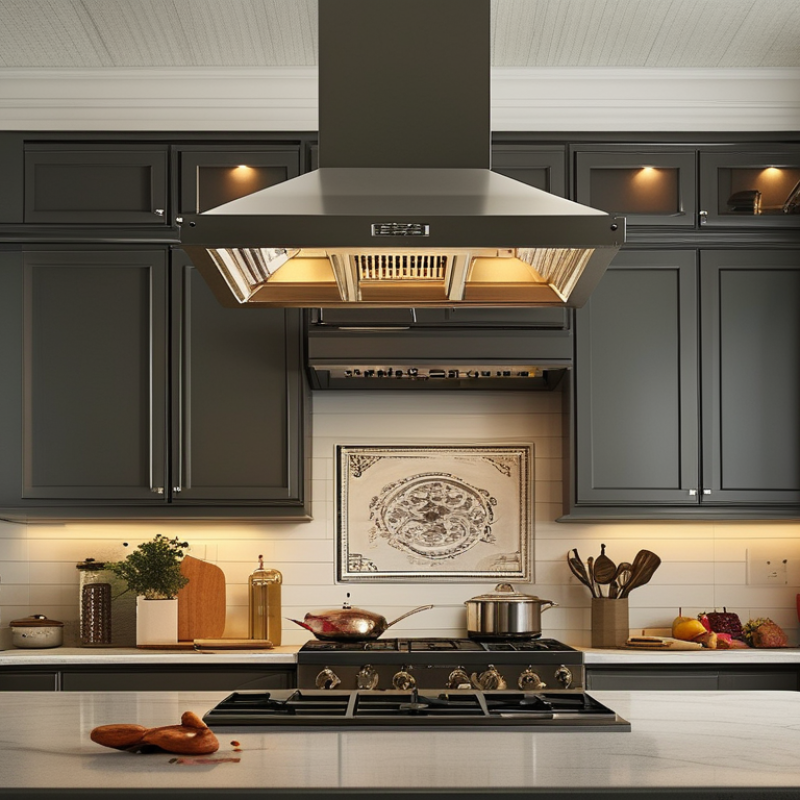
Understanding Kitchen Fan Types and Their Best Uses
Choosing a kitchen fan starts with identifying how you cook, not how attractive the unit looks. A ducted canopy fan suits frequent frying, grilling, and high-heat cooking because it captures smoke near the source and sends it outdoors. Under-cabinet models work well in compact kitchens, but their smaller capture area may miss rising steam. Downdraft fans protect open sightlines, yet they often struggle with tall pots. Recirculating fans are easier to install, although filters cannot remove all moisture or combustion pollutants.
Airflow matters, but higher is not automatically better. ASHRAE Standard 62.2 commonly references 100 cubic feet per minute for intermittent kitchen exhaust, or five air changes per hour for continuous operation. Treat that as a design reference, not a universal answer. A professional should check room size, duct length, bends, and replacement air. The U.S. Environmental Protection Agency reports that indoor pollutant levels can be two to five times higher than outdoors, making effective source capture valuable during cooking. Look for airflow and sound ratings verified through the Home Ventilating Institute certification program. In daily use, switch the fan on before heating oil and leave it running for several minutes afterward. Keep the filter clean. I have found that this small habit often matters more than expected, though it is easy to neglect. A fan rated at 600 CFM may perform poorly through a narrow, sharply bent duct. That detail is often overlooked.
How to Choose the Right Kitchen Fan? - Understanding Kitchen Fan Types and Their Best Uses
| Kitchen Fan Type | How It Works | Best Use | Typical Airflow Range | Installation Requirements | Main Advantages | Important Limitations | Recommended For |
|---|---|---|---|---|---|---|---|
| Under-Cabinet Range Hood | Mounted beneath a wall cabinet and positioned above the cooktop. It captures cooking fumes through filters and either exhausts them outdoors or recirculates filtered air. | Standard kitchens with cabinets above the cooking surface. | Approximately 200–600 CFM for common residential models. | Requires a properly sized duct for outdoor exhaust; recirculating versions need suitable grease and odor filters. | Space-efficient, widely compatible, and usually easier to install than larger hood styles. | Cabinets can restrict hood depth and capture area. Recirculating operation does not remove heat, moisture, or combustion gases from the room. | Apartments, compact kitchens, and moderate everyday cooking. |
| Wall-Mounted Chimney Hood | Installed on the wall above a range or cooktop, with a visible canopy and chimney that covers the exhaust duct. | Open-wall cooking areas without cabinets directly above the appliance. | Approximately 300–900 CFM for common residential applications. | Needs a suitable wall, correctly sized ductwork, and an exterior termination for effective ventilation. | Provides broad capture coverage and can handle frequent frying, grilling, or high-heat cooking. | Uses more wall space and may require professional duct and electrical work. | Medium-to-large kitchens and frequent home cooking. |
| Island Range Hood | Suspended from the ceiling above a cooktop located on a kitchen island. Its canopy is designed to capture fumes from multiple open sides. | Island cooktops and ranges positioned away from walls. | Approximately 400–1,000 CFM for common residential applications. | Requires ceiling support, a concealed vertical duct, and careful positioning above the cooking surface. | Offers strong visual coverage and effective capture when correctly sized and installed. | Usually needs higher airflow than a wall hood because cross-drafts can push fumes away from the canopy. | Large kitchens with island cooking stations and high-heat cooking. |
| Downdraft Vent | Pulls smoke and cooking vapors downward through a vent located behind or beside the cooktop, then exhausts them through ductwork or filtration. | Islands or kitchens where an overhead hood would obstruct the view or ceiling design. | Approximately 300–600 CFM, depending on the model and duct layout. | Needs carefully planned ducting, especially when the duct must travel through cabinets or flooring. | Preserves sightlines and can retract when not in use. | Less effective than a properly sized overhead hood because hot air naturally rises. Performance may decrease with tall cookware or strong cross-drafts. | Low-profile kitchen designs and occasional to moderate cooking. |
| Ceiling-Mounted Ventilation Hood | Installed flush or semi-flush with the ceiling above the cooking area and connected to an exhaust duct. | Minimalist kitchens, wide islands, or installations where a hanging hood is not preferred. | Approximately 400–1,000 CFM, depending on capture area and ceiling height. | Requires strong duct design, adequate capture width, and sufficient airflow because the fan is farther from the cooking surface. | Creates a clean, unobstructed visual appearance. | Can require high airflow and careful engineering to capture fumes effectively from a greater distance. | Modern kitchens with generous ceiling space and planned ventilation systems. |
| Inline Duct Fan | The motor is installed within the duct run rather than directly inside the hood, moving air through the ventilation system. | Long duct runs, remote exhaust systems, or situations where lower sound at the hood is desired. | Approximately 400–1,200 CFM, depending on system resistance and fan selection. | Requires accessible duct space, compatible controls, adequate electrical service, and a correctly designed duct system. | Can reduce motor noise near the cooking area and support flexible system layouts. | Performance depends heavily on duct length, bends, filters, and exterior termination. It is not a complete hood by itself. | Custom kitchens, long duct runs, and noise-sensitive installations. |
| Recirculating Filter Fan | Draws air through grease and odor filters, then returns the filtered air to the kitchen instead of exhausting it outdoors. | Rental homes or kitchens where exterior ducting is not practical. | Approximately 150–400 CFM, with actual delivered airflow affected by filter resistance. | Needs suitable filters and enough clearance above the cooking surface; no exterior duct is required. | Simple installation and lower construction cost. | Does not remove humidity, heat, carbon dioxide, or combustion products. Filters require regular cleaning or replacement. | Light cooking, temporary installations, and spaces without duct access. |
| Make-Up Air System | Introduces replacement air when a powerful exhaust fan removes a substantial volume of indoor air. | High-airflow hoods, tightly sealed homes, or kitchens with combustion appliances. | Often sized to match part or all of the exhaust airflow; local requirements vary. | May require heating, cooling, filtration, controls, and professional design to prevent drafts or pressure imbalance. | Helps maintain indoor pressure and supports stable exhaust performance. | Adds installation complexity and energy use. It is a supporting system, not a substitute for a capture hood. | Powerful ducted ventilation systems and energy-efficient homes. |
FAQS
A ducted canopy fan usually works best. It captures smoke near the pan and sends it outdoors. Turn it on before heating oil. Keep it running for several minutes afterward.
It is easier to install, but filters cannot remove all humidity. Steam may still fog windows and dampen cabinets. It can suit lighter cooking. Boiling and frying may need stronger ventilation.
They can fit neatly beneath cabinets and save space. Their smaller capture area may miss rising steam. Use suitable cookware placement. Tall pots can challenge coverage.
Downdraft fans preserve an open view across the kitchen. However, tall pots may release steam above the capture zone. That limitation is easy to overlook. Test the layout carefully.
Airflow should match room size, duct length, bends, and replacement air. Higher airflow is not automatically better. A narrow, sharply bent duct can weaken a powerful fan. A professional assessment may prevent a poor choice.
Check sound ratings at every speed, not only the quietest setting. Listen for rattling, vibration, and sharp motor tones. Showrooms can mislead. Hard surfaces may make the same fan sound much louder at home.
Choose multiple speeds, efficient lighting, and a timer or automatic shutoff. Use the lowest effective speed. Let it run long enough to clear lingering moisture. A dirty filter can restrict airflow and increase energy use.
Wipe the outer surface weekly when cooking often. Clean grease filters every few weeks, depending on use. Replace disposable filters as instructed. Listen for new rattling sounds. I sometimes forget duct cleaning, and that weakness matters.
Conclusion
Choosing the right Kitchen Fan starts with understanding the main types and their ideal uses. Wall-mounted, under-cabinet, island, and downdraft fans suit different kitchen layouts, while ducted systems usually provide stronger ventilation than recirculating models. Capacity should match both the kitchen’s size and your cooking habits: frequent frying, grilling, or steaming requires more airflow. Consider ventilation routes, noise levels, and energy efficiency to ensure effective performance without creating unnecessary disturbance or increasing electricity use.
The fan’s width should generally match or exceed the cooking surface, and its design should complement the kitchen while fitting comfortably in the chosen installation position. Before making a decision, compare useful features such as adjustable speeds, lighting, filters, automatic controls, and heat or moisture sensors. Also review cleaning requirements, filter replacement needs, installation complexity, and long-term durability. The best Kitchen Fan balances ventilation power, convenient maintenance, quiet operation, appearance, and total value rather than focusing on one feature alone.
