
Top 5 Tips for Choosing the Right Centrifugal Pump

Time:2026-08-26 Author:Henry
0%

When selecting a centrifugal pump, several crucial factors play a role. The right choice can lead to significant efficiency and cost savings. Centrifugal pumps are widely used in various industries, from agriculture to pharmaceuticals. Their versatility makes understanding their specifications essential.

Consider the application first. Different settings demand unique pump features. Assess the flow rate and head requirement for your system. It's vital to choose a pump designed for those specific needs. Additionally, reliability can vary significantly between models. Researching brands and reading reviews will guide your decision.

Don't overlook maintenance and operational costs. A seemingly affordable pump may incur high long-term expenses. Weigh these costs against the pump's efficiency. Remember, what works for one project may not suit another. Always reflect on your unique requirements before making a purchase.
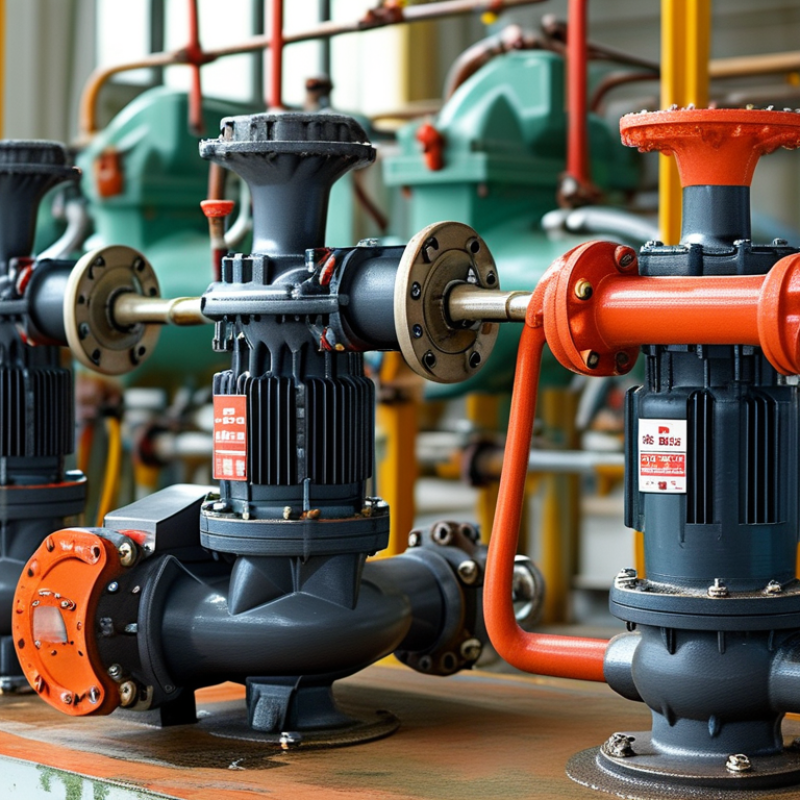
Top 5 Tips for Choosing the Right Centrifugal Pump

Understanding the Basics of Centrifugal Pumps

Centrifugal pumps are crucial in various industries. Understanding their basics can make a significant difference in your operations. These pumps function by converting rotational energy into hydrodynamic energy, moving fluids efficiently. They have a rotating impeller that increases fluid velocity, pushing it outward. This design makes centrifugal pumps ideal for delivering large volumes of liquid with relatively low viscosity.

When selecting a centrifugal pump, consider specific characteristics. Flow rate is paramount, as each application requires a unique volume of fluid. Additionally, the head pressure must match the system requirements. Material compatibility is another vital detail. Choosing materials resistant to corrosion can prolong the pump's life. It can be challenging to evaluate these factors, especially for those new to pump technology.

Many also overlook maintenance needs. Regular inspections are essential to ensure reliability. Even a small oversight can lead to significant downtime. It's best to consult with experts or review industry guidelines to fully grasp the intricacies of centrifugal pump selection. Always seek reliable sources for information to make informed decisions.

Top 5 Tips for Choosing the Right Centrifugal Pump

This chart illustrates the key selection criteria for choosing the right centrifugal pump. It includes important factors like Flow Rate, Head, Efficiency, Material Quality, and Cost, which are crucial in making an informed decision.

Identifying Your Pumping Requirements and Application

Understanding your pumping requirements is the first step in selecting a centrifugal pump. Consider the type of fluid you need to pump. Is it viscous, abrasive, or corrosive? These factors significantly influence your choice. Pump materials matter. Some materials resist wear and corrosion better than others. Assess the characteristics of the fluid to determine the most suitable pump construction.

Next, evaluate your application requirements. How much flow rate do you need? This number directly affects pump size and design. Think about the system pressure as well. If it is too high or low, the pump may not perform efficiently. It's also important to gauge the operating environment. High temperatures, for instance, can influence pump performance.

Don't overlook maintenance needs as well. A pump that is difficult to service might lead to higher costs over time. Reflect on ease of access for routine checks and replacements. Choosing a pump is not just about immediate needs; think long-term. An informed decision today can prevent headaches down the road. Balancing these factors is a challenge, but it is essential for achieving optimal performance.

Top 5 Tips for Choosing the Right Centrifugal Pump - Identifying Your Pumping Requirements and Application

Tip No. Tip Description Considerations Application Examples
1 Define Your Flow Rate Determine the required gallons per minute (GPM). Water distribution, irrigation systems.
2 Understand Your Head Requirements Calculate the total dynamic head (TDH). Elevated storage tanks, sewer systems.
3 Consider Fluid Properties Assess viscosity, temperature, and chemicals involved. Chemical processing, wastewater treatment.
4 Evaluate Pump Material Choose a material compatible with your fluid. Oil transfer, food processing.
5 Assess Energy Efficiency Look for energy-efficient models to save costs. HVAC systems, industrial applications.

Evaluating Pump Specifications: Flow Rate and Pressure

When selecting a centrifugal pump, understanding flow rate and pressure is crucial. Flow rate indicates how much liquid the pump can move. It is typically measured in gallons per minute (GPM) or liters per second (L/s). The right flow rate ensures your system operates efficiently. Too low might lead to insufficient delivery, while a high flow rate can cause unnecessary energy consumption.

Pressure is another key specification. It represents the force that the pump exerts to move the fluid. A pump must generate enough pressure to overcome system resistance and ensure smooth operation. Evaluating the pressure requirements for your specific application is vital. Consider pipe diameters, elevation changes, and any fittings that could restrict flow.

Finding the balance between flow rate and pressure can be challenging. Systems can often fluctuate, which may require adjustments in pump selection. Relying solely on manufacturer specifications may not account for unique system conditions. It's essential to conduct thorough assessments and possibly consult with experts. Observing your system over time can reveal performance patterns and highlight areas for improvement. This approach can lead to more informed pump choices in the future.

Considering Material Compatibility and Durability

When selecting a centrifugal pump, material compatibility and durability are crucial factors. The pump must withstand the fluid it will handle. According to a report by the Hydraulic Institute, corrosion and wear account for over 30% of pump failures in industrial applications. This emphasizes the importance of choosing the right materials to prevent premature pump failure.

Different fluids react differently with materials. For instance, fluids with high acidity may require pumps made of specialized alloys to avoid corrosion. A study by the American Society of Mechanical Engineers shows that improper material selection can lead to costly downtimes and repairs, sometimes exceeding 20% of operational costs. Understanding the specific environment is key.

In some cases, users may overlook mechanical seals. These components significantly impact durability. If seals are not compatible with the pumped fluid, leaks may occur. Regular maintenance and inspections are necessary. These proactive measures can enhance the lifespan of the pump and reduce costs in the long run. Also, consider potential changes in fluid composition, as this may affect the pump's material compatibility over time.

Assessing Energy Efficiency and Operating Costs

When selecting a centrifugal pump, energy efficiency and operating costs are crucial factors. Pumps with high energy efficiency not only reduce electricity bills but also have a lower environmental impact. Look for pumps that have better flow rates relative to their power consumption. This will ensure optimal performance without unnecessary energy waste.

Operating costs extend beyond just energy consumption. Maintenance costs also play a significant role. A pump that requires frequent repairs can quickly become a financial burden. It's essential to evaluate the reliability of various pump models. Reviews and expert assessments can guide you toward options that offer long-term savings.

Keep in mind, not all pumps are created equal. Sometimes, a less expensive option may end up being costlier in the long run due to inefficiencies. Check for warranties and service agreements as these can influence overall costs. Evaluating these factors with care might save you trouble later. Remember, a thorough understanding of your specific needs will help you make a better choice.

FAQS

: How do I identify my pumping requirements?

: Consider the type of fluid to pump. Think about its viscosity, abrasiveness, and corrosiveness.

What specifications should I evaluate for pumps?

Focus on flow rate and pressure. These influence pump size and performance.

Why is understanding flow rate important?

Flow rate indicates how much liquid a pump moves. It affects system efficiency and delivery.

What role does pressure play in pump selection?

Pressure represents the force needed to move the fluid. It must overcome system resistance.

How can energy efficiency impact pump selection?

Higher energy efficiency reduces electricity bills and environmental impact. It’s vital for long-term savings.

What other costs should I consider?

Maintenance costs are significant. Frequent repairs can lead to unwanted financial stress.

Can I rely only on manufacturer specifications?

No, unique system conditions may not be covered. Assess your system and consult experts for guidance.

What maintenance needs should I consider?

Ease of access for routine checks is essential. Difficult-to-service pumps could lead to higher long-term costs.

Are all pumps equally reliable?

No, some less expensive pumps may have inefficiencies. Evaluate reliability through reviews and expert opinions.

How can I ensure long-term performance?

Conduct thorough assessments and monitor performance over time. Adjustments might be necessary for optimal results.

Conclusion

Choosing the right centrifugal pump requires a clear understanding of its fundamental principles and functionality. Start by identifying your specific pumping requirements, including the application, fluid type, and operational environment. This initial assessment is crucial for selecting a pump that meets your needs effectively.

Next, evaluate key pump specifications such as flow rate and pressure to ensure optimal performance. Material compatibility must also be considered to avoid any risk of corrosion or damage over time. Lastly, assess the energy efficiency and operating costs associated with the centrifugal pump, as this can significantly impact your overall investment and operational sustainability. By following these tips, you can make an informed decision when selecting the right centrifugal pump for your application.

Henry

Henry

Henry is a dedicated marketing professional with a profound expertise in the company's offerings. With years of experience in the industry, he possesses an impressive understanding of the market dynamics and consumer behaviors that drive success. Henry is committed to sharing his insights through......