
Top Bath Ventilation Fan Features You Should Know?

Time:2026-08-31 Author:Charlotte
0%

Bath ventilation fans are crucial for maintaining a healthy bathroom environment. According to the Environmental Protection Agency, poor indoor air quality can cause health problems, with humidity levels being a significant factor. A reliable bath ventilation fan mitigates excess moisture, reducing mold risk and enhancing air quality.

In the market, features vary widely across different models. Key functionalities include noise levels, energy efficiency, and design. As reported by HomeVentilation.org, consumers often overlook the impact of fan capacity. A fan should ideally cycle the air in the bathroom eight times per hour. This requirement emphasizes the need for careful selection based on room size.

While many bath ventilation fans deliver basic performance, consumers must pay attention to details that truly benefit their space. Not all fans are created equal; some may fail to meet long-term performance standards. Therefore, understanding essential features can lead to better investment choices. The right bath ventilation fan not only adds to comfort but significantly contributes to overall health and wellness in your home.
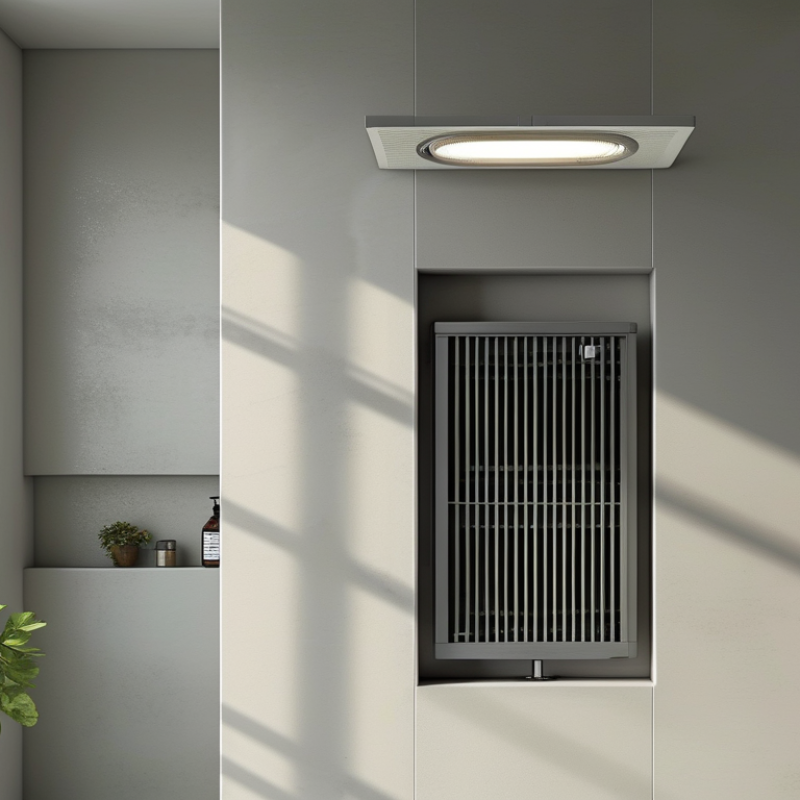
Top Bath Ventilation Fan Features You Should Know?

Essential Characteristics of Bath Ventilation Fans

When selecting a bath ventilation fan, several essential characteristics should be prioritized. An optimal fan operates quietly, often rated below 1.5 sones. Noise levels matter, as excessive sound can be disruptive. In fact, research indicates that 40% of homeowners consider noise a primary factor in their selection. Thus, a quieter fan enhances comfort, creating a more pleasant environment.

Another critical feature is airflow capacity, measured in cubic feet per minute (CFM). The Home Ventilating Institute recommends a minimum of 1 CFM per square foot of bathroom space. For example, a 100-square-foot bath requires at least 100 CFM. Selecting a fan with adequate CFM ensures efficient moisture removal, preventing mold growth. Studies show that bathrooms with proper ventilation experience a 35% reduction in humidity levels.

Energy efficiency also plays a significant role. Fans should have an ENERGY STAR rating, which indicates lower energy consumption. According to industry data, ENERGY STAR-rated fans use up to 70% less energy than standard models. This can lead to substantial savings on utility bills over time. However, not all fans meet these standards, and caution is necessary when making a choice. Always reviewing specifications becomes crucial in ensuring reliability and functionality in bath ventilation.

Understanding Airflow Ratings for Effective Ventilation

Understanding airflow ratings is crucial for effective bathroom ventilation. This metric determines how efficiently a fan can move air. A higher airflow rating suggests better performance in removing moisture and odors. Many homeowners overlook this detail, assuming all fans perform the same. This misconception can lead to issues like mold growth and persistent smells within the bathroom.

When evaluating airflow ratings, look for measurements in cubic feet per minute (CFM). A good rule is to select a fan with a CFM rating matching the bathroom size. For example, a 50 square foot bathroom may require a fan with at least 50 CFM. However, factors like ceiling height and usage patterns may call for adjustments. Knowing your specific needs enables better decision-making, enhancing comfort and hygiene.

Pay attention to the noise level, too. A fan with a high airflow may be noisy, detracting from the bathroom’s tranquility. Consider models that provide a balance of airflow and quiet operation. Each bathroom is unique, and finding the right fan requires careful consideration. Continuous research and assessment of your ventilation requirements can lead to better choices down the line.

Top Bath Ventilation Fan Features You Should Know

Noise Levels and Their Importance in Bath Fan Selection

When selecting a bath ventilation fan, noise levels play a vital role. Research indicates that noise levels are measured in sones. A lower sone rating means a quieter fan. Most homeowners prefer fans operating at 0.5 to 2.0 sones for a comfortable bathroom environment. Fans over 4 sones can be disruptive, making it difficult to use the bathroom peacefully.

Studies show that approximately 50% of consumers prioritize noise level when purchasing a bath fan. It's essential to consider the fan's placement. A fan located closer to noise-sensitive areas may require a lower sone rating. On the other hand, for larger bathrooms, a slightly louder fan might still be acceptable if it offers better airflow.

Room size also impacts the choice of noise level. Smaller spaces can amplify sounds. Therefore, choosing a silent fan is crucial for minimizing disturbances. Additionally, many high-efficiency models offer low noise levels without sacrificing performance. This balance is essential for a product that meets both ventilation and peace requirements. Keep in mind that what seems acceptable in noise levels can vary greatly from one household to another, making it essential to choose wisely.

Energy Efficiency and Its Impact on Utility Bills

Proper ventilation in bathrooms is crucial for maintaining air quality and minimizing moisture. A quality bath ventilation fan not only addresses humidity but also plays a significant role in energy efficiency, impacting utility bills. According to the U.S. Department of Energy, energy-efficient ventilation fans can reduce energy consumption by up to 50% compared to standard models. This can result in substantial savings over time, particularly in households with high humidity levels.

Proper installation and usage further enhance energy savings. Using a fan with a timer or humidistat can help regulate operation. This ensures that the fan runs only when necessary. The Home Ventilating Institute reports that proper fan sizing is essential. An undersized fan may struggle to remove moisture, while an oversized unit may consume excess energy.

Regular maintenance also cannot be overlooked. Cleaning the fan and ducts periodically helps maintain efficiency. Dust and debris can lead to reduced airflow and increased energy costs. A report from the American Society of Heating, Refrigerating and Air-Conditioning Engineers (ASHRAE) indicates that neglected fans can operate at only 50% efficiency. Thus, understanding the intricacies of bath ventilation can lead to enhanced comfort and lower utility bills.

Top Bath Ventilation Fan Features You Should Know? - Energy Efficiency and Its Impact on Utility Bills

Feature Description Energy Efficiency Rating Estimated Annual Energy Cost ($)
Low Noise Levels Designed to operate quietly to enhance comfort in the bathroom. ENERGY STAR Certified $15
Humidity Control Automatic operation based on humidity levels to maintain optimal air quality. High Efficiency $10
LED Lighting Integrated energy-efficient LED lights for improved visibility. Energy Efficient $12
Multifunctional Features Some fans provide additional functions like heating or Bluetooth speakers. Standard Efficiency $20
Easy Installation User-friendly design that allows for straightforward installation. High Efficiency $11

Moisture Control Features to Prevent Bathroom Mold

Bathroom mold thrives in damp environments. Moisture control features in ventilation fans are crucial. These features not only reduce humidity but also enhance air circulation. Effective fans can keep your bathroom dry, preventing mold from forming on walls and fixtures.

One key feature is the fan's ability to sense humidity levels. Some models automatically adjust their operation based on moisture detected in the air. This automatic response can be incredibly effective in maintaining optimal humidity. A fan with a high CFM (cubic feet per minute) rating is also important. It determines how quickly moisture is removed from the room. Fans with adjustable speeds provide versatility for different conditions.

Timing functions are another vital aspect. Options to set a timer prevent excessive running and conserve energy. Conversely, longer run times help ensure thorough moisture removal after showers. Many homeowners overlook the importance of proper installation. Even the best fan won't function effectively if not installed correctly. Regular maintenance is essential too. Cleaning the fan and ductwork keeps airflow uninterrupted. These considerations require reflection and action from homeowners to truly achieve a mold-free bathroom.

FAQS

: What are airflow ratings?

: Airflow ratings measure how efficiently a fan moves air, usually in cubic feet per minute (CFM).

Why are airflow ratings important for bathroom ventilation?

Higher airflow ratings help remove moisture and odors effectively, preventing issues like mold growth.

How do I choose the right fan size for my bathroom?

Match the fan's CFM rating to your bathroom size. For example, a 50 square foot bathroom needs at least 50 CFM.

Does noise level matter when selecting a bathroom fan?

Yes, a quiet fan is essential for maintaining tranquility in your bathroom. Balance airflow with noise.

How can a fan impact my utility bills?

Energy-efficient fans can cut energy use by up to 50%, leading to lower utility costs over time.

What features help control moisture in bathrooms?

Fans that sense humidity levels and adjust their operation can significantly reduce moisture and prevent mold.

How can timers and humidistats improve fan efficiency?

Timers ensure fans run only when needed, while humidistats activate fans based on detected moisture levels.

Why is regular maintenance of ventilation fans important?

Cleaning fans and ducts promotes efficiency. Neglected fans can operate at only 50% effectiveness, increasing costs.

What happens if a fan is incorrectly installed?

A poorly installed fan will not work effectively, leading to insufficient moisture removal and potential mold issues.

What should homeowners reflect on for better bathroom ventilation?

Consider fan size, installation, maintenance, and specific needs to achieve improved air quality and comfort.

Conclusion

When selecting a Bath Ventilation Fan, several essential characteristics should guide your decision. Key features include understanding airflow ratings, which indicate the fan's effectiveness in circulating air and ensuring proper ventilation in the bathroom. Noise levels are also crucial; quieter fans enhance the comfort of the space without disturbing daily activities. Additionally, energy efficiency is important, as it can significantly reduce utility bills while providing effective ventilation.

Furthermore, moisture control features in bath ventilation fans play a vital role in preventing mold and mildew growth, contributing to a healthier bathroom environment. By selecting a fan that incorporates these features, homeowners can ensure their bathrooms remain fresh, comfortable, and safe from moisture-related issues.

Charlotte

Charlotte

Charlotte is a seasoned marketing professional with a deep understanding of the company's portfolio and a passion for elevating its presence in the market. With a keen eye for detail and a commitment to excellence, she ensures that our professional blog is regularly updated with insightful articles......